
 대표어
대표어
 https://documents.worldbank.org/en/publication/documents-reports/documentdetail/099735304212236910/P17300608cded602c0a6190f4b8caaa97a1
권호기사보기
| 기사명 | 저자명 | 페이지 | 원문 | 기사목차 |
|---|
결과 내 검색
동의어 포함
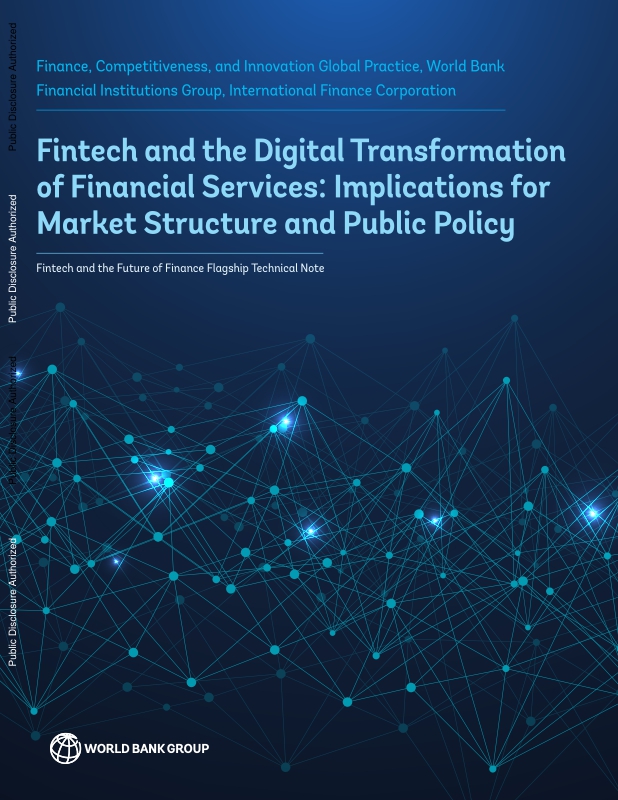
Title page
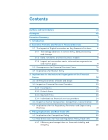
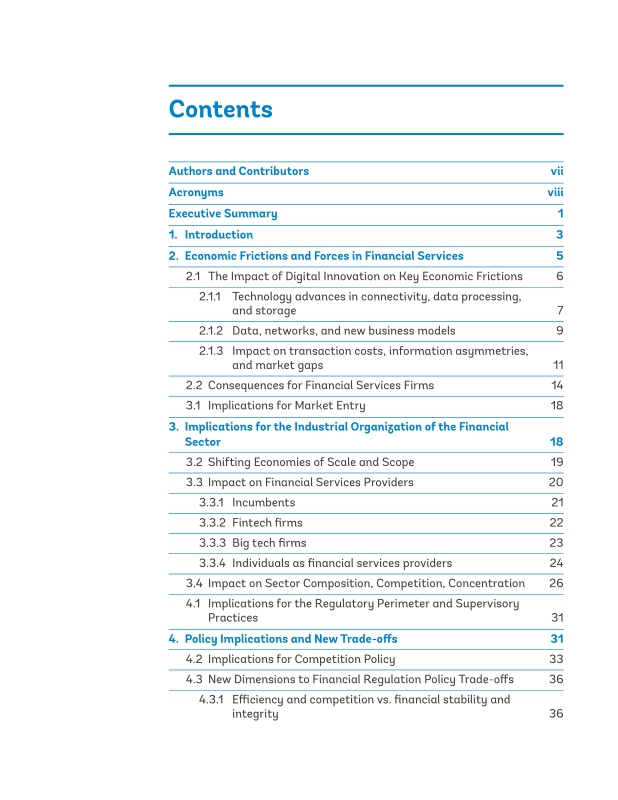
Contents
Authors and Contributors 6
Acronyms 7
Executive Summary 8
1. Introduction 10
2. Economic Frictions and Forces in Financial Services 12
2.1. The Impact of Digital Innovation on Key Economic Frictions 13
2.1.1. Technology advances in connectivity, data processing, and storage 14
2.1.2. Data, networks, and new business models 16
2.1.3. Impact on transaction costs, information asymmetries, and market gaps 18
2.2. Consequences for Financial Services Firms 21
3. Implications for the Industrial Organization of the Financial Sector 25
3.1. Implications for Market Entry 25
3.2. Shifting Economies of Scale and Scope 26
3.3. Impact on Financial Services Providers 27
3.3.1. Incumbents 28
3.3.2. Fintech firms 29
3.3.3. Big tech firms 30
3.3.4. Individuals as financial services providers 31
3.4. Impact on Sector Composition, Competition, Concentration 33
4. Policy Implications and New Trade-offs 38
4.1. Implications for the Regulatory Perimeter and Supervisory Practices 38
4.2. Implications for Competition Policy 40
4.3. New Dimensions to Financial Regulation Policy Trade-offs 43
4.3.1. Efficiency and competition vs. financial stability and integrity 43
4.3.2. Efficiency and competition vs. privacy and consumer protection 46
4.3.3. Privacy and consumer protection vs. financial stability and integrity 48
5. Conclusions 50
Bibliography 52
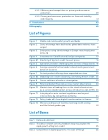
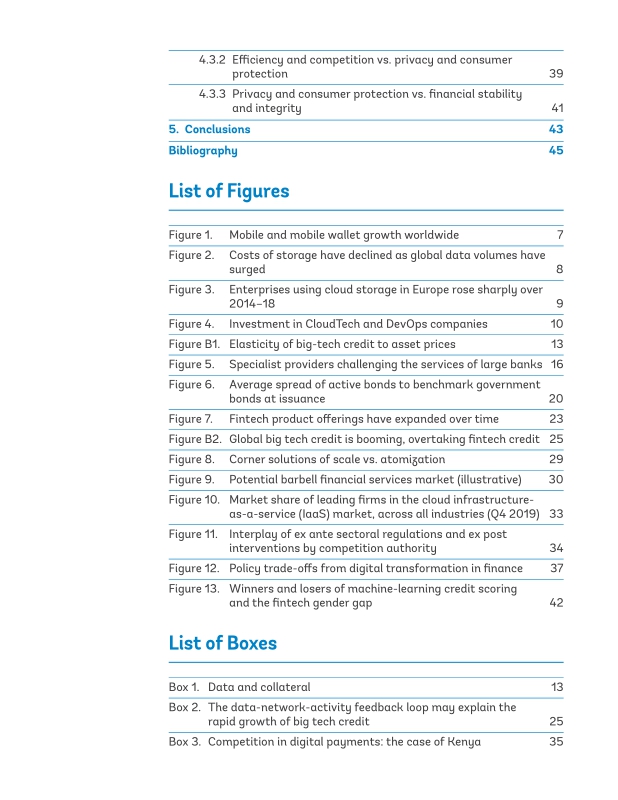
Figure 1. Mobile and mobile wallet growth worldwide 14
Figure 2. Costs of storage have declined as global data volumes have surged 15
Figure 3. Enterprises using cloud storage in Europe rose sharply over 2014-18 16
Figure 4. Investment in CloudTech and DevOps companies 17
Figure 5. Specialist providers challenging the services of large banks 23
Figure 6. Average spread of active bonds to benchmark government bonds at issuance 27
Figure 7. Fintech product offerings have expanded over time 30
Figure 8. Corner solutions of scale vs. atomization 36
Figure 9. Potential barbell financial services market (illustrative) 37
Figure 10. Market share of leading firms in the cloud infrastructure-as-a-service (IaaS) market, across all industries (Q4 2019) 40
Figure 11. Interplay of ex ante sectoral regulations and ex post interventions by competition authority 41
Figure 12. Policy trade-offs from digital transformation in finance 44
Figure 13. Winners and losers of machine-learning credit scoring and the fintech gender gap 49
Boxes
Box 1. Data and collateral 20
Box 2. The data-network-activity feedback loop may explain the rapid growth of big tech credit 32
Box 3. Competition in digital payments: the case of Kenya 42
Box Figures
Figure B1. Elasticity of big-tech credit to asset prices 20
Figure B2. Global big tech credit is booming, overtaking fintech credit 32
*표시는 필수 입력사항입니다.
| 전화번호 |
|---|
| 기사명 | 저자명 | 페이지 | 원문 | 기사목차 |
|---|
| 번호 | 발행일자 | 권호명 | 제본정보 | 자료실 | 원문 | 신청 페이지 |
|---|
도서위치안내: / 서가번호:

우편복사 목록담기를 완료하였습니다.
*표시는 필수 입력사항입니다.
저장 되었습니다.
