
 대표어
대표어
 https://labordoc.ilo.org/discovery/delivery/41ILO_INST:41ILO_V2/12120907040002676
권호기사보기
| 기사명 | 저자명 | 페이지 | 원문 | 기사목차 |
|---|
결과 내 검색
동의어 포함
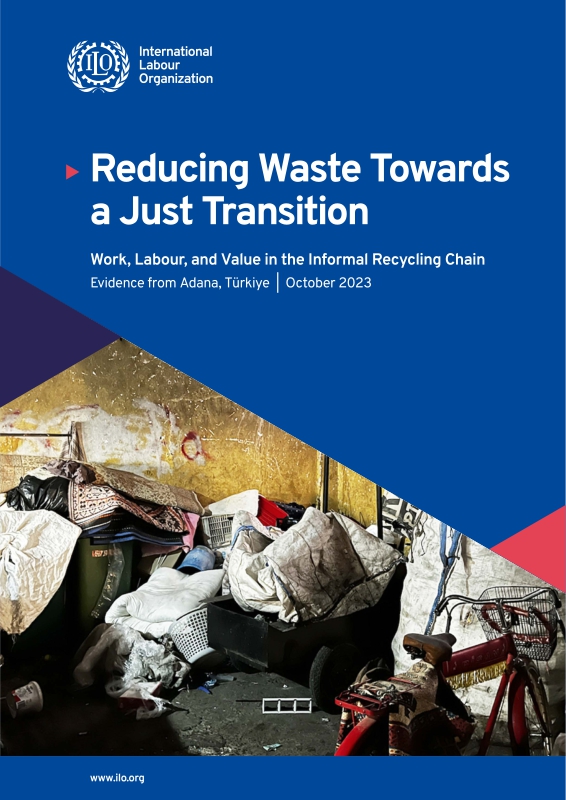
Title page
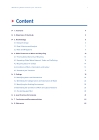
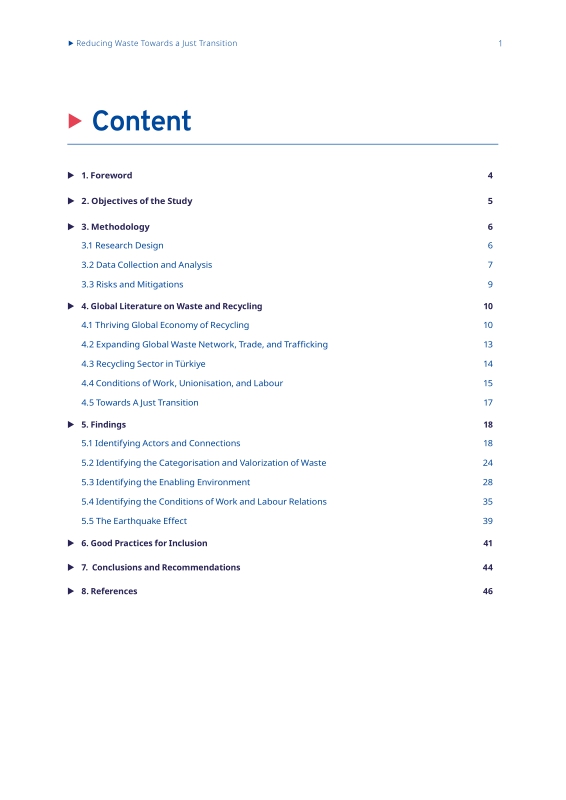
Contents
1. Foreword 6
2. Objectives of the Study 7
3. Methodology 8
3.1. Research Design 8
3.2. Data Collection and Analysis 9
3.3. Risks and Mitigations 11
4. Global Literature on Waste and Recycling 12
4.1. Thriving Global Economy of Recycling 12
4.2. Expanding Global Waste Network, Trade, and Trafficking 15
4.3. Recycling Sector in Türkiye 16
4.4. Conditions of Work, Unionisation, and Labour 17
4.5. Towards A Just Transition 19
5. Findings 20
5.1. Identifying Actors and Connections 20
5.2. Identifying the Categorisation and Valorization of Waste 26
5.3. Identifying the Enabling Environment 30
5.4. Identifying the Conditions of Work and Labour Relations 37
5.5. The Earthquake Effect 41
6. Good Practices for Inclusion 43
7. Conclusions and Recommendations 46
8. References 48
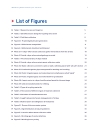
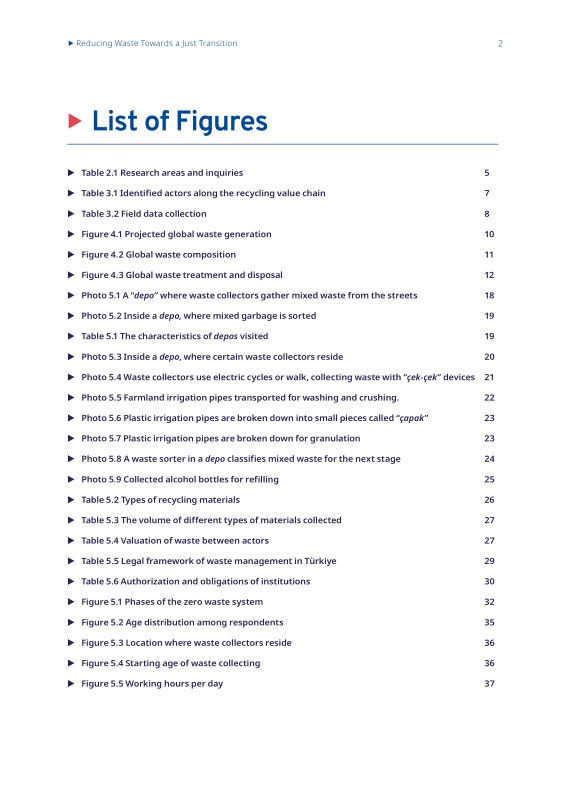
Figure 4.1. Projected global waste generation 12
Figure 4.2. Global waste composition 13
Figure 4.3. Global waste treatment and disposal 14
Figure 5.1. Phases of the zero waste system 34
Figure 5.2. Age distribution among respondents 37
Figure 5.3. Location where waste collectors reside 38
Figure 5.4. Starting age of waste collecting 38
Figure 5.5. Working hours per day 39
Photos
Photo 5.1. A "depo" where waste collectors gather mixed waste from the streets 20
Photo 5.2. Inside a depo, where mixed garbage is sorted 21
Photo 5.3. Inside a depo, where certain waste collectors reside 22
Photo 5.4. Waste collectors use electric cycles or walk, collecting waste with "çek-çek" devices 23
Photo 5.5. Farmland irrigation pipes transported for washing and crushing 24
Photo 5.6. Plastic irrigation pipes are broken down into small pieces called "çapak" 25
Photo 5.7. Plastic irrigation pipes are broken down for granulation 25
Photo 5.8. A waste sorter in a depo classifies mixed waste for the next stage 26
Photo 5.9. Collected alcohol bottles for refilling 27
*표시는 필수 입력사항입니다.
| 전화번호 |
|---|
| 기사명 | 저자명 | 페이지 | 원문 | 기사목차 |
|---|
| 번호 | 발행일자 | 권호명 | 제본정보 | 자료실 | 원문 | 신청 페이지 |
|---|
도서위치안내: / 서가번호:

우편복사 목록담기를 완료하였습니다.
*표시는 필수 입력사항입니다.
저장 되었습니다.
