
 대표어
대표어
 https://asiasociety.org/policy-institute/strengthening-indias-carbon-credit-trading-scheme-inclusion-power-sector
권호기사보기
| 기사명 | 저자명 | 페이지 | 원문 | 기사목차 |
|---|
결과 내 검색
동의어 포함
Title page 1
Contents 1
EXECUTIVE SUMMARY 1
1. INTRODUCTION 2
2. RATIONALE FOR INCLUSION OF THE POWER SECTOR IN CCTS 3
3. HOW TO INCLUDE THE POWER SECTOR 8
4. CONCLUSIONS 10
APPENDIX 1: BRIEF SUMMARY OF ETS–POWER MARKET INTERACTION STATUS IN OTHER ETSs IN ASIA 12
APPENDIX 2: ETS BENCHMARKS FOR THE POWER SECTOR IN ASIA 15
Figures 3
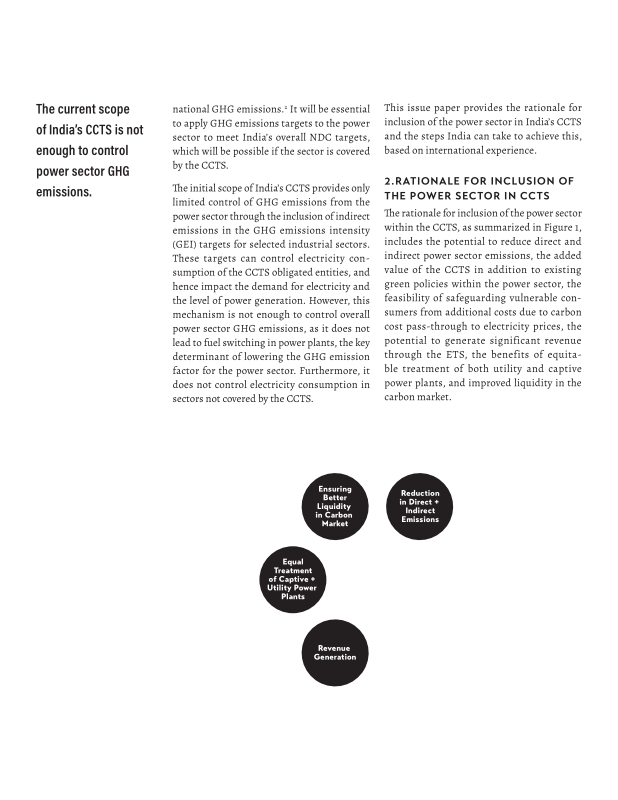
FIGURE 1. RATIONALE FOR INCLUSION OF POWER SECTOR IN CCTS 3
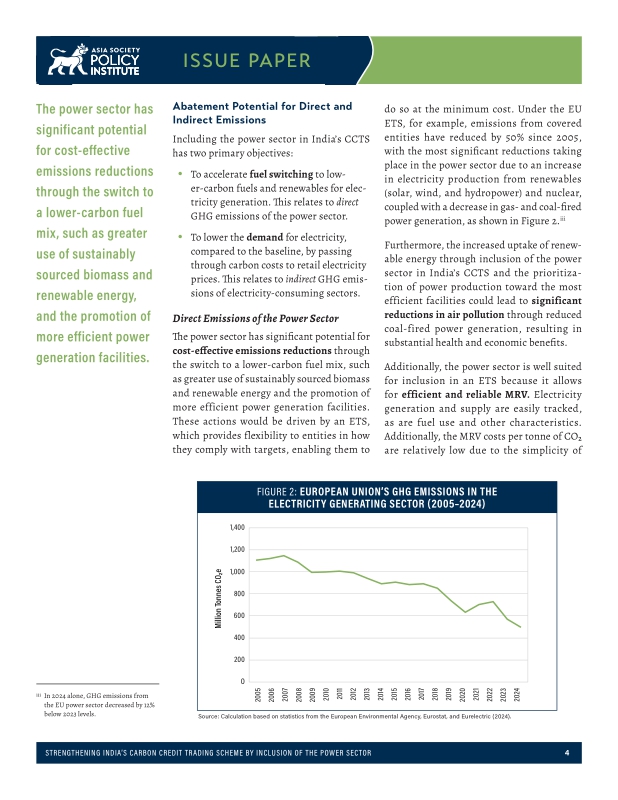
FIGURE 2. EUROPEAN UNION’S GHG EMISSIONS IN THE ELECTRICITY GENERATING SECTOR (2005-2024) 4
FIGURE 3. HOW TO INCLUDE POWER SECTOR IN CCTS 8
Boxes 5
BOX 1. GLOBAL JURISDICTIONS INCLUDING THE POWER SECTOR IN THEIR ETSs 5
The power sector is central to India’s decarbonization efforts, accounting for approximately 39% of the country’s total greenhouse gas (GHG) emissions. Including the power sector in the country’s Carbon Credit Trading Scheme (CCTS) would enable significant cost-effective reductions in both direct emissions from power generation and indirect emissions from electricity-consuming sectors. Emissions trading systems (ETSs) such as the CCTS can accelerate the transition to lower-carbon fuels and renewables while encouraging energy efficiency across the economy, as demonstrated in the European Union (EU), United Kingdom (UK), California in the United States, and many other jurisdictions. Moreover, the power sector is particularly well suited for inclusion in the CCTS due to its robust data availability and relatively low monitoring, reporting, and verification (MRV) costs.
India’s existing power sector policies—such as the Renewable Purchase Obligation framework and the coal cess (Goods and Services Tax compensation cess)—support renewable energy deployment and GHG emissions reduction, but they do not provide a sufficient mechanism for directly controlling emissions. In contrast, an ETS would adequately control these emissions in a flexible, cost-effective, and complementary way.
The inclusion of the power sector in the CCTS could also generate substantial revenue through the auctioning of emissions allowances. Estimates suggest that if auctioning is introduced by 2035 and scaled up gradually, India could raise more than USD 500 billion by 2050. These funds could be invested in clean energy and industrial decarbonization technologies and used to mitigate potential economic impacts on vulnerable consumers. Furthermore, setting an agreed-upon future date for auctioning allowances in the power sector could facilitate the early generation of funds through a climate transition bond to be repaid by future CCTS revenue, providing substantial upfront investment—similar to what Japan is achieving in its Green Transition ETS (GX-ETS).
Concerns about potential increases in electricity prices and their impact on low-income households and electro-intensive industries can be addressed using some of the revenues generated from allowance auctions to provide rebates, bill credits, efficiency upgrades, and so on, to dampen the carbon price impact for vulnerable groups, drawing on global experience. Additionally, including the power sector would help ensure a level playing field for both utility and captive power plants—which are already covered under the CCTS for major industry sectors—and prevent incentives to switch electricity generation to less tightly regulated power plants that would result in higher emissions.
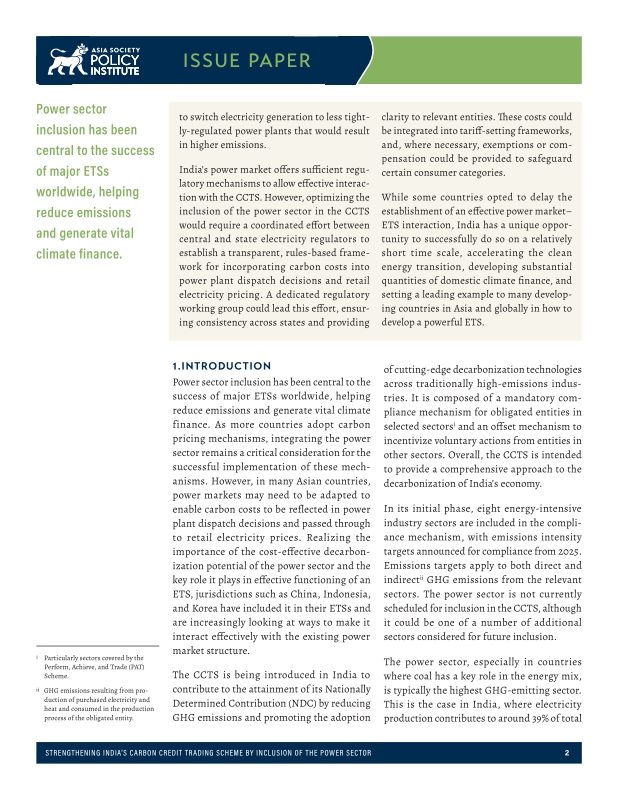
India’s power market offers sufficient regulatory mechanisms to allow effective interaction with the CCTS. However, optimizing the inclusion of the power sector in the CCTS would require a coordinated effort between central and state electricity regulators to establish a transparent, rules-based framework for incorporating carbon costs into power plant dispatch decisions and retail electricity pricing. A dedicated regulatory working group could lead this effort, ensuring consistency across states and providing clarity to relevant entities. These costs could be integrated into tariff-setting frameworks, and, where necessary, exemptions or compensation could be provided to safeguard certain consumer categories.
While some countries opted to delay the establishment of an effective power market–ETS interaction, India has a unique opportunity to successfully do so on a relatively short time scale, accelerating the clean energy transition, developing substantial quantities of domestic climate finance, and setting a leading example to many developing countries in Asia and globally in how to develop a powerful ETS.*표시는 필수 입력사항입니다.
| 전화번호 |
|---|
| 기사명 | 저자명 | 페이지 | 원문 | 기사목차 |
|---|
| 번호 | 발행일자 | 권호명 | 제본정보 | 자료실 | 원문 | 신청 페이지 |
|---|
도서위치안내: / 서가번호:

우편복사 목록담기를 완료하였습니다.
*표시는 필수 입력사항입니다.
저장 되었습니다.
