
 대표어
대표어
 https://www.iai.it/en/pubblicazioni/c03/proliferation-sanction-regimes-impact-global-financial-system
권호기사보기
| 기사명 | 저자명 | 페이지 | 원문 | 기사목차 |
|---|
결과 내 검색
동의어 포함
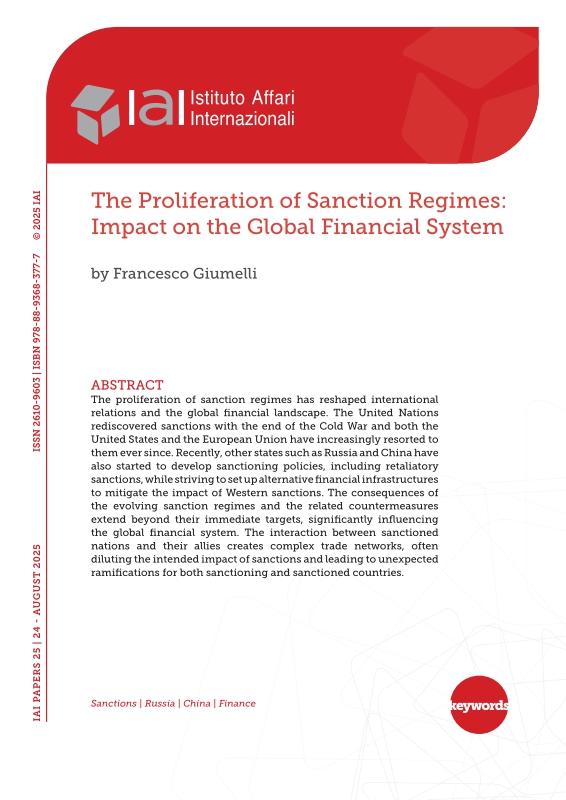
Title page 1
Contents 1
Abstract 1
Introduction 2
1. The proliferation of sanctions: When, how often and what types? 3
2. The response from China and Russia 7
3. The impact on the global financial system 10
Conclusions 15
References 17
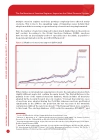
Figures 4
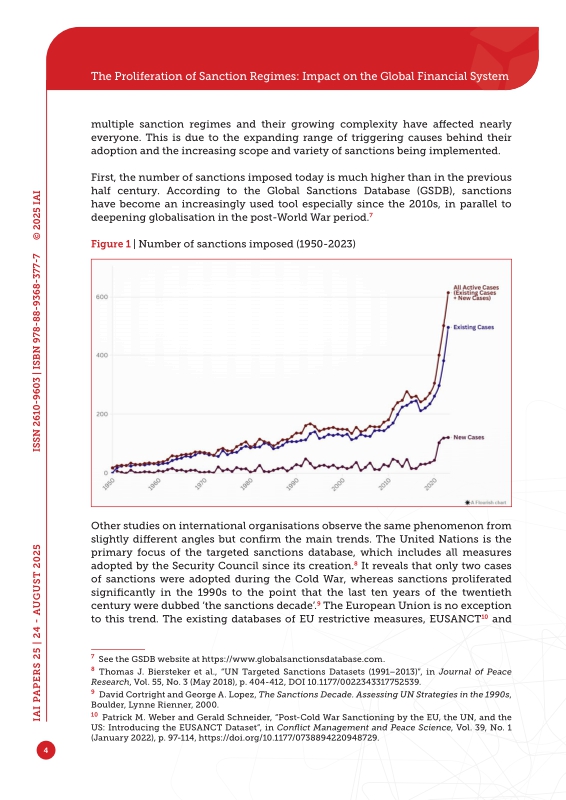
Figure 1. Number of sanctions imposed (1950-2023) 4
Figure 2. Type of sanctions in force 6
Figure 3. Who holds Russia's central bank reserves? 12
Figure 4. Share of the US dollar as reserve currency 12
*표시는 필수 입력사항입니다.
| 전화번호 |
|---|
| 기사명 | 저자명 | 페이지 | 원문 | 기사목차 |
|---|
| 번호 | 발행일자 | 권호명 | 제본정보 | 자료실 | 원문 | 신청 페이지 |
|---|
도서위치안내: / 서가번호:

우편복사 목록담기를 완료하였습니다.
*표시는 필수 입력사항입니다.
저장 되었습니다.
