
 대표어
대표어
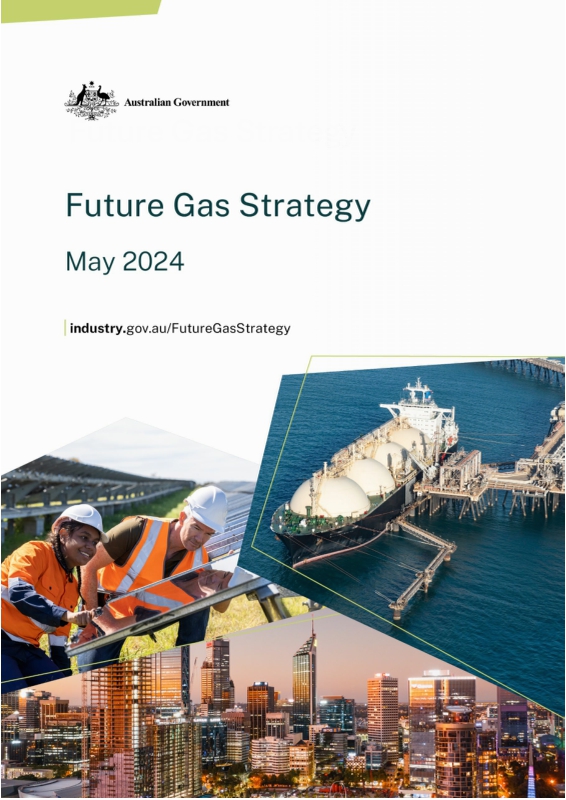
 https://www.industry.gov.au/publications/future-gas-strategy


권호기사보기
| 기사명 | 저자명 | 페이지 | 원문 | 기사목차 |
|---|
결과 내 검색
동의어 포함
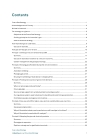
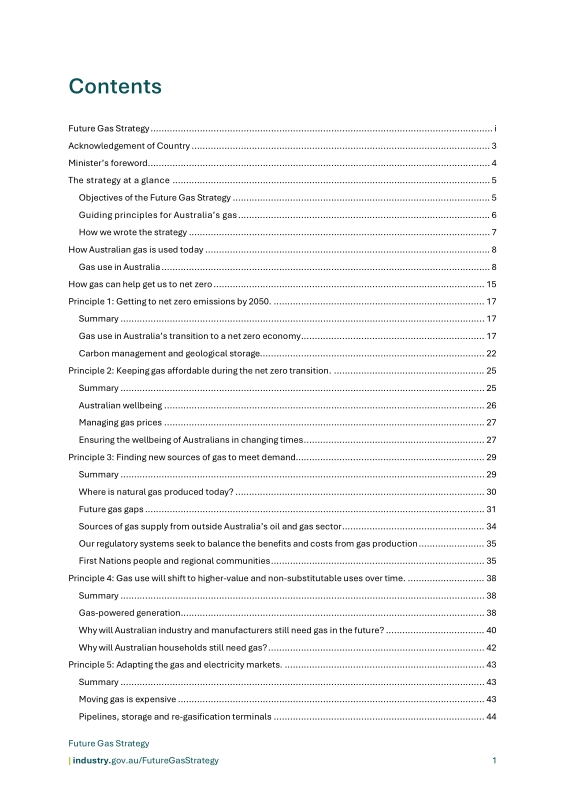
Title page 1
Contents 3
Acknowledgement of Country 5
Minister's foreword 6
The strategy at a glance 7
Objectives of the Future Gas Strategy 7
Guiding principles for Australia's gas 8
How we wrote the strategy 9
How Australian gas is used today 10
Gas use in Australia 10
How gas can help get us to net zero 17
Principle 1: Getting to net zero emissions by 2050 19
Summary 19
Gas use in Australia's transition to a net zero economy 19
Carbon management and geological storage 24
Principle 2: Keeping gas affordable during the net zero transition 27
Summary 27
Australian wellbeing 28
Managing gas prices 29
Ensuring the wellbeing of Australians in changing times 29
Principle 3: Finding new sources of gas to meet demand 31
Summary 31
Where is natural gas produced today? 32
Future gas gaps 33
Sources of gas supply from outside Australia's oil and gas sector 36
Our regulatory systems seek to balance the benefits and costs from gas production 37
First Nations people and regional communities 37
Principle 4: Gas use will shift to higher-value and non-substitutable uses over time 40
Summary 40
Gas-powered generation 40
Why will Australian industry and manufacturers still need gas in the future? 42
Why will Australian households still need gas? 44
Principle 5: Adapting the gas and electricity markets 45
Summary 45
Moving gas is expensive 45
Pipelines, storage and re-gasification terminals 46
Australia's gas markets in transition to 2050 47
Principle 6: Remaining a reliable trading partner for gas and low-emissions gases 49
Summary 49
How are Australia's LNG exports consumed today? 50
What role will Australian LNG play in 2050? 51
Australian LNG in an orderly energy transition 51
Australia is committed to meeting our long-term contracts 52
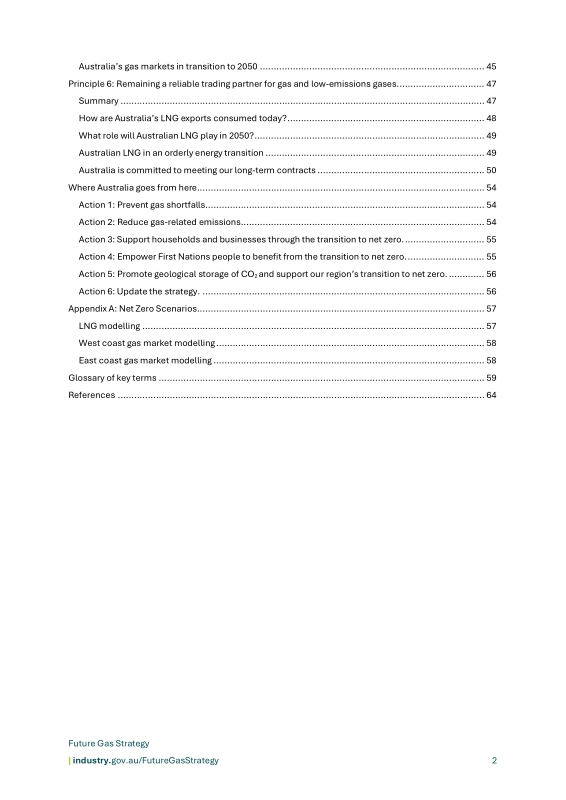
Where Australia goes from here 56
Action 1: Prevent gas shortfalls 56
Action 2: Reduce gas-related emissions 56
Action 3: Support households and businesses through the transition to net zero 57
Action 4: Empower First Nations people to benefit from the transition to net zero 57
Action 5: Promote geological storage of CO₂ and support our region's transition to net zero 58
Action 6: Update the strategy 58
Appendix A: Net Zero Scenarios 59
LNG modelling 59
West coast gas market modelling 60
East coast gas market modelling 60
Glossary of key terms 61
References 66
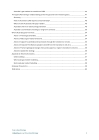
Tables 46
Table 1. Australia's gas storage facilities 46
Table 2. Proposed LNG Import Terminals 47
Figures 10
Figure 1. Gas consumption by state/territory and sector, 2021-22 10
Figure 2. Emissions from the use of gas by sector 11
Figure 3. Gas production and use in the Australian economy, including emissions (CO₂ equivalent) 13
Figure 4. Building demand for gas by scenario, 2023-43 20
Figure 5. Projected energy source in the NEM, Step Change 21
Figure 6. West coast gas demand by sector, 2016-2033 23
Figure 7. Australia's basins ranked for CO₂ storage potential 24
Figure 8. Australian gas basins, pipelines and LNG facilities 33
Figure 9. East coast gas supply and demand outlook, 2025-2035 33
Figure 10. West coast domestic gas supply and demand outlook, 2023-2033 34
Figure 11. Annual and peak day GPG demand, step change scenario, 2019-43 41
Figure 12. Australian LNG as a share of total gas supply, selected economies, 2022 50
Figure 13. Global natural gas demand by scenario, 2020-2050 53
Figure 14. Australian LNG export volumes to 2050, by scenario 54
*표시는 필수 입력사항입니다.
| 전화번호 |
|---|
| 기사명 | 저자명 | 페이지 | 원문 | 기사목차 |
|---|
| 번호 | 발행일자 | 권호명 | 제본정보 | 자료실 | 원문 | 신청 페이지 |
|---|
도서위치안내: / 서가번호:

우편복사 목록담기를 완료하였습니다.
*표시는 필수 입력사항입니다.
저장 되었습니다.
