
 대표어
대표어
 https://itif.org/publications/2025/11/24/united-states-needs-data-centers-data-centers-need-energy-but-that-is-not-necessarily-a-problem/
권호기사보기
| 기사명 | 저자명 | 페이지 | 원문 | 기사목차 |
|---|
결과 내 검색
동의어 포함
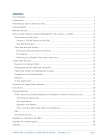
Title page 1
Contents 2
KEY TAKEAWAYS 1
INTRODUCTION 3
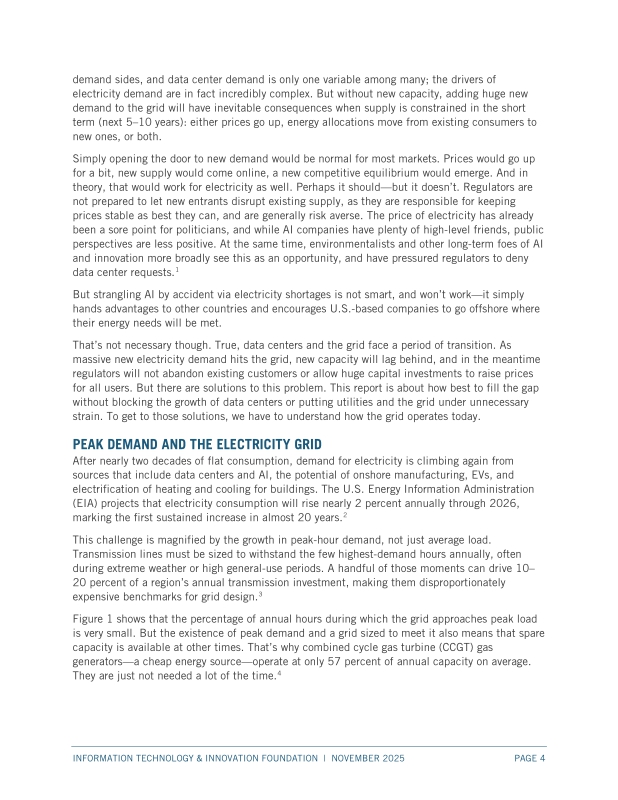
PEAK DEMAND AND THE ELECTRICITY GRID 4
DEMAND GROWTH 7
MEETING DEMAND 8
DEMAND SIDE SOLUTIONS: DEMAND MANAGEMENT, DATA CENTERS, AND MORE 10
Data Centers as Grid Assets 10
Creating a Flexible Partner for the Grid 10
Real-World Examples 11
Other Demand-Side Options 13
Efficiency and Grid-Interactive Buildings 13
EV Charging 13
Rethinking Load Growth: Peak Load Curtailment 14
SUPPLY-SIDE SOLUTIONS 14
Dynamic Line Ratings (DLR) 14
Reconductoring With Advanced Conductors 15
Power Flow Control and Topology Optimization 15
Integration and Stacking Benefits 16
Batteries 16
Virtual power plants 16
ECONOMICS OF SUPPLY-SIDE INNOVATION 17
CONCLUSIONS 18
RECOMMENDATIONS 20
FERC: Actions to Accelerate Adoption of Alternatives to New Transmission Lines 20
Correcting the Capital Bias 20
Planning Reforms 21
Operations and Markets 22
Cross-Cutting Support: Data, M&V, and Compliance 23
DOE 24
Data Center Activity 25
APPENDIX A: A ROADMAP FOR FERC 27
APPENDIX B: COMPARING COSTS 28
ENDNOTES 30
Tables 6
Table 1. U.S. Electric System Ownership by Entity Type 6
Table 2. Flexibility pathways for hyperscale data centers 11
Table 3. Comparative cost of grid capacity options 17
Figures 5
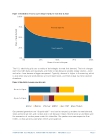
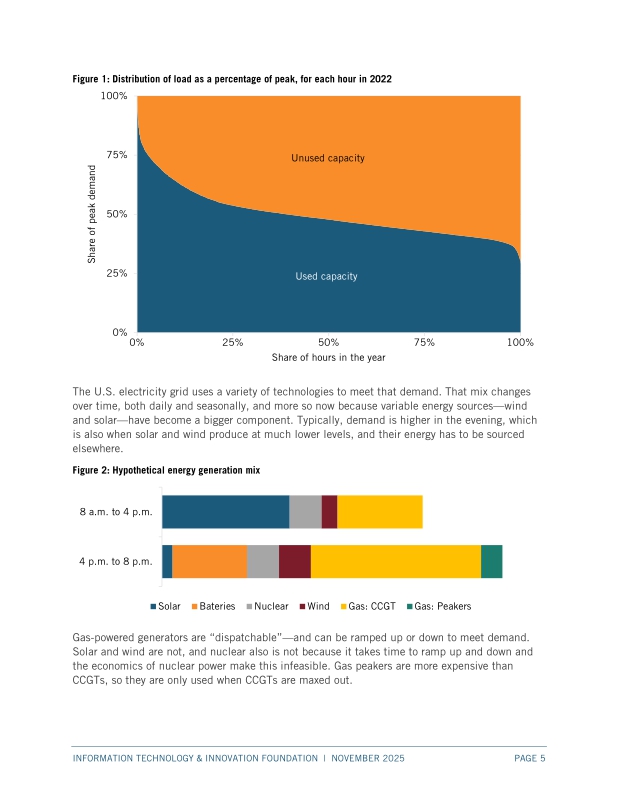
Figure 1. Distribution of load as a percentage of peak, for each hour in 2022 5
Figure 2. Hypothetical energy generation mix 5
Figure 3. Estimates for projected growth in electricity demand from data centers (TWh per year, 2023-2028) 7
Boxes 6
Box 1. Grid Background-U.S. Generation, Transmission, and Distribution 6
*표시는 필수 입력사항입니다.
| 전화번호 |
|---|
| 기사명 | 저자명 | 페이지 | 원문 | 기사목차 |
|---|
| 번호 | 발행일자 | 권호명 | 제본정보 | 자료실 | 원문 | 신청 페이지 |
|---|
도서위치안내: / 서가번호:

우편복사 목록담기를 완료하였습니다.
*표시는 필수 입력사항입니다.
저장 되었습니다.
