
 대표어
대표어
 https://www.bruegel.org/policy-brief/better-coordination-for-a-more-efficient-european-energy-system
권호기사보기
| 기사명 | 저자명 | 페이지 | 원문 | 기사목차 |
|---|
결과 내 검색
동의어 포함
Title page 1
Contents 1
Executive summary 1
1. Introduction 2
2. How energy governance is organised in Europe 4
3. Fragmentation and shortcomings of the current architecture 6
3.1. Lack of transparency 6
3.2. Uncoordinated infrastructure planning 7
3.3. Weak political coordination 9
4. Recommendations 12
4.1. Open data and modelling 12
4.2. An improved infrastructure planning process 14
4.3. Credible and effective political coordination 15
5. Conclusions 15
References 16
Figures 3
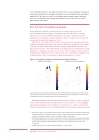
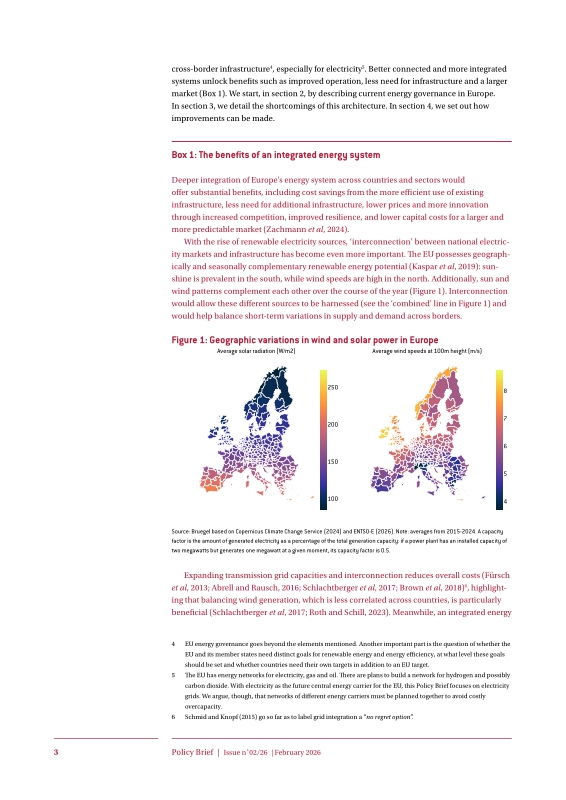
Figure 1. Geographic variations in wind and solar power in Europe 3
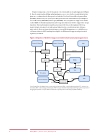
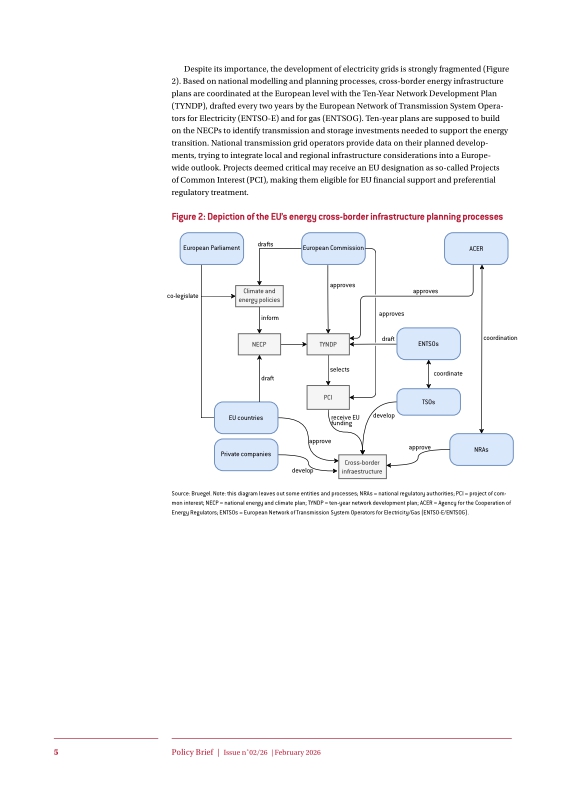
Figure 2. Depiction of the EU’s energy cross-border infrastructure planning processes 5
Figure 3. Total EU electricity demand projection for 2030 in different energy planning exercises 8
Figure 4. Interconnector targets and capacity of the five largest EU countries 9
Figure 5. Electricity import dependencies, 2024 11
Figure 6. Schematic proposal for an open and coherent energy system planning process 14
Boxes 3
Box 1. The benefits of an integrated energy system 3
Box 2. The political hurdles of further integration 10
*표시는 필수 입력사항입니다.
| 전화번호 |
|---|
| 기사명 | 저자명 | 페이지 | 원문 | 기사목차 |
|---|
| 번호 | 발행일자 | 권호명 | 제본정보 | 자료실 | 원문 | 신청 페이지 |
|---|
도서위치안내: / 서가번호:

우편복사 목록담기를 완료하였습니다.
*표시는 필수 입력사항입니다.
저장 되었습니다.
